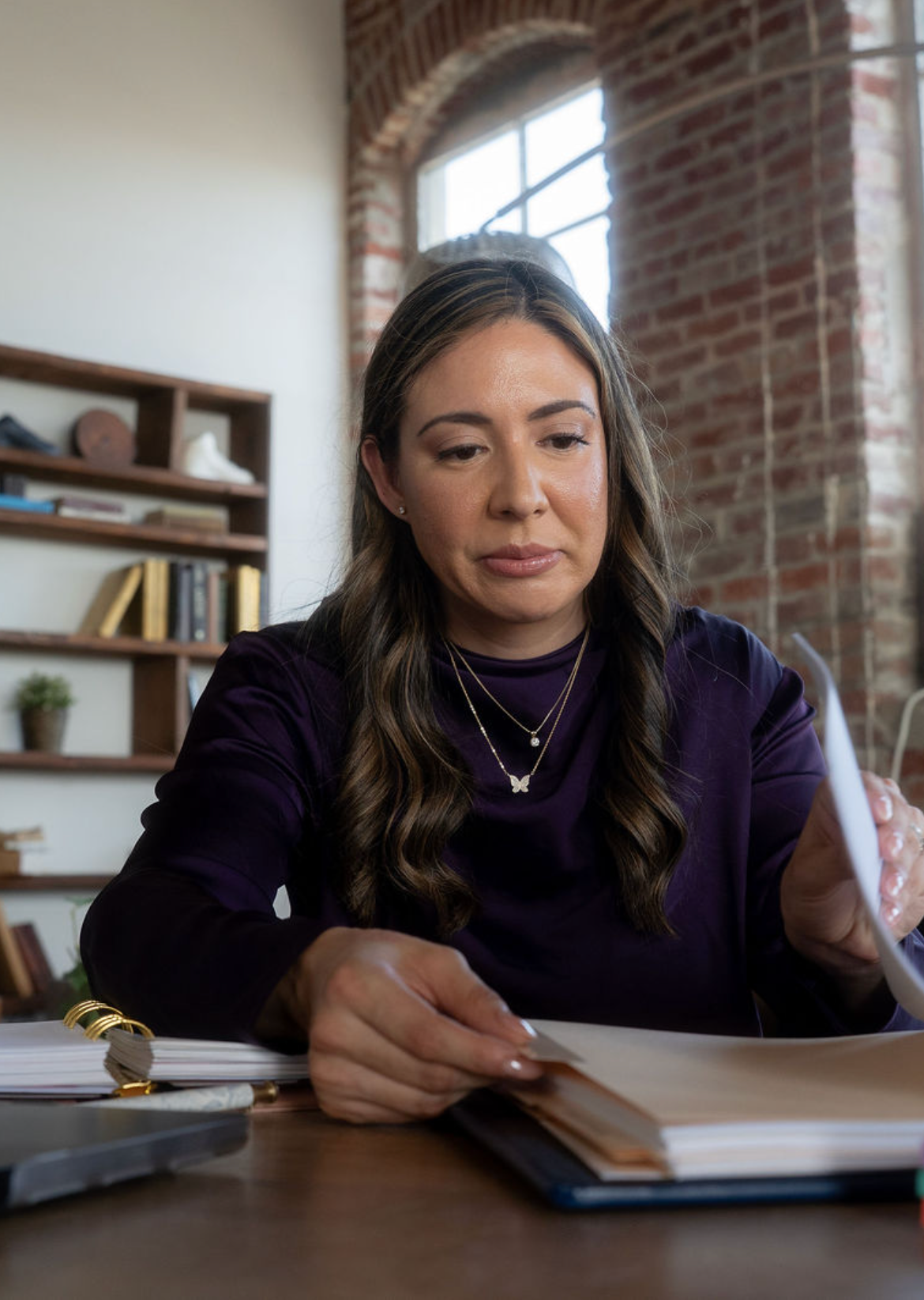












A Personal Representative's Guide to Navigating Probate in California
What Every Personal Representative Should Know
When a loved one passes away, the grief can feel overwhelming. If you have also been named or nominated as the Personal Representative (sometimes called an executor or administrator), you may be managing grief while also carrying the heaviness of the practical responsibilities left behind by your loved one.
Suddenly you're responsible for handling legal paperwork, protecting assets, communicating with beneficiaries, paying debts, and navigating California's probate court. If you've never done this before, it's completely understandable to feel uncertain.
The good news is that probate follows a structured legal process. With the right guidance, you can fulfill your responsibilities confidently while protecting both yourself and your loved one's legacy.
This probate checklist California guide explains what to expect and when experienced legal counsel can make the process significantly easier.

Probate is the court-supervised legal process used to transfer a deceased person's assets to their heirs or beneficiaries, pay outstanding debts, and formally close the estate.
During probate, the court appoints a Personal Representative to manage the estate according to California law.
Every estate is unique. Some probate cases are relatively straightforward, while others involve disputes, real estate, multiple beneficiaries, or complicated financial assets.
When Is Probate Required in California?
One of the most common questions families ask is: “When is probate required in California?”
Generally, probate may be required when someone dies owning assets in their individual name that do not automatically transfer through another legal mechanism.
Examples may include:
- Real property titled solely in the decedent's name
- Bank or investment accounts without beneficiaries
- Personal property exceeding applicable probate thresholds
- Business interests owned individually
Not every estate requires formal probate.
- Assets that often avoid probate include:
- Living trust assets
- Joint tenancy property
- Pay-on-death accounts
- Transfer-on-death deeds
- Life insurance with named beneficiaries
- Retirement accounts with designated beneficiaries
Determining whether probate is actually necessary often requires reviewing how each asset is titled rather than simply looking at the total value of the estate.
Your Probate Checklist California
If you've been appointed as Personal Representative, your responsibilities generally include the following steps.
1. Locate the Estate Planning Documents
- Begin by gathering:
- The original Will (if one exists)
- Trust documents
- Death certificates
- Financial records
- Property deeds
- Insurance policies
- Tax information
Having organized records early can save considerable time later in the process.
2. File the Probate Petition
- The probate process officially begins by filing the appropriate petition with the California Superior Court in the county where the deceased lived.
- After filing, the court schedules a hearing to appoint the Personal Representative.
- Only after receiving court authority can many estate administration tasks begin.
3. Secure and Protect Estate Assets
One of the most important Personal Representative duties is safeguarding estate property.
- This may include:
- Securing the family home
- Maintaining insurance coverage
- Collecting mail
- Protecting valuables
- Managing bank accounts
- Preserving investment assets
The Personal Representative has a fiduciary duty to protect estate assets until they can be distributed.
4. Notify Creditors and Beneficiaries
- California law requires certain notices to be provided to:
- Beneficiaries
- Heirs
- Known creditors
- Government agencies when appropriate
Proper notice gives interested parties an opportunity to assert any legal rights they may have.
5. Inventory and Value the Estate
The Personal Representative prepares a complete inventory of estate assets.
- This often includes:
- Real estate
- Bank accounts
- Investment accounts
- Vehicles
- Business interests
- Personal property
Certain assets may require professional appraisals to establish fair market value.
6. Pay Valid Debts and Expenses
- Before beneficiaries receive inheritances, the estate generally pays:
- Funeral expenses
- Outstanding debts
- Taxes
- Administrative expenses
- Court-approved fees
Not every creditor claim is valid. Understanding which claims should be paid (and which should be challenged) is an important part of estate administration.
7. Distribute Estate Assets
After debts, taxes, and court requirements have been satisfied, the remaining estate assets may be distributed according to the Will, or by California intestate succession laws if no valid Will exists.
8. Close the Estate
The final step is obtaining court approval to close probate.
Once approved, the Personal Representative is generally released from further responsibility.
Understanding Personal Representative Duties
Serving as a Personal Representative is more than an administrative role, it is a legal fiduciary position.
Some of the most significant Personal Representative duties include:
- Acting in the best interests of the estate
- Remaining impartial among beneficiaries
- Keeping accurate financial records
- Following court orders
- Meeting legal deadlines
- Preserving estate property
- Providing required accountings
- Distributing assets correctly
Many Personal Representatives choose to work with an experienced probate attorney to help ensure every requirement is handled properly.
Because probate involves court oversight, missing required filings or deadlines can significantly delay administration and increase costs.
Working with legal counsel often helps keep the process moving efficiently while reducing unnecessary stress.
California Probate Statute of Limitations
Another important topic families frequently ask about is the California probate statute of limitations.
Different deadlines apply depending on the issue involved.
For example, California law establishes time limits for:
- Filing creditor claims
- Contesting a Will
- Bringing certain actions against the Personal Representative
- Filing required probate documents
Because these deadlines vary depending on the circumstances, waiting too long can affect important legal rights.
If questions arise about timing, it's best to seek legal advice as early as possible.
Why Many Personal Representatives Choose Legal Guidance
Probate is often unfamiliar territory.
Most Personal Representatives have never administered an estate before, yet they are expected to navigate complex legal requirements while managing family expectations and honoring a loved one's wishes.
An experienced probate attorney can help:
- Prepare court filings
- Explain legal responsibilities
- Avoid costly mistakes
- Respond to creditor claims
- Coordinate asset transfers
- Resolve beneficiary concerns
- Avoid delays and keep the probate process moving efficiently
Having knowledgeable guidance allows many families to focus less on paperwork and more on healing.
Final Thoughts
Serving as a Personal Representative is both an honor and a significant legal responsibility. Following a thoughtful probate checklist California can make the process more manageable, but every estate presents its own unique circumstances.
At Northern Legacy Law, we help Northern California families navigate probate with clarity, compassion, and practical legal guidance. Whether you're just beginning the process or have already encountered unexpected challenges, we're here to help you move forward with confidence.
Ready to discuss your probate case? Contact Northern Legacy Law to schedule a consultation and learn how we can help you fulfill your responsibilities while protecting your loved one's legacy.
Helpful links:
https://solano.courts.ca.gov/divisions/probate-conservatorshipguardianship
Recent Posts